Chew Jetty, Penang
Last updated: October 2026

| Address | Pengkalan Weld (Weld Quay), George Town, 10300 Penang |
|---|---|
| Hours | Walkway accessible 24 hours. Shops and stalls 9:00 am – 9:00 pm. |
| Closed | Never closed |
| Price | Free |
| Payment | Cash for food stalls and souvenir shops |
| Halal status | Mixed — some stalls are halal, some are not |
| Getting there | 5-minute walk south from the Penang ferry terminal. Rapid Penang bus 101/102/103 to Weld Quay. Street parking nearby. |
| Take me here | |
| Verified | Verified October 2026 |
What It Is
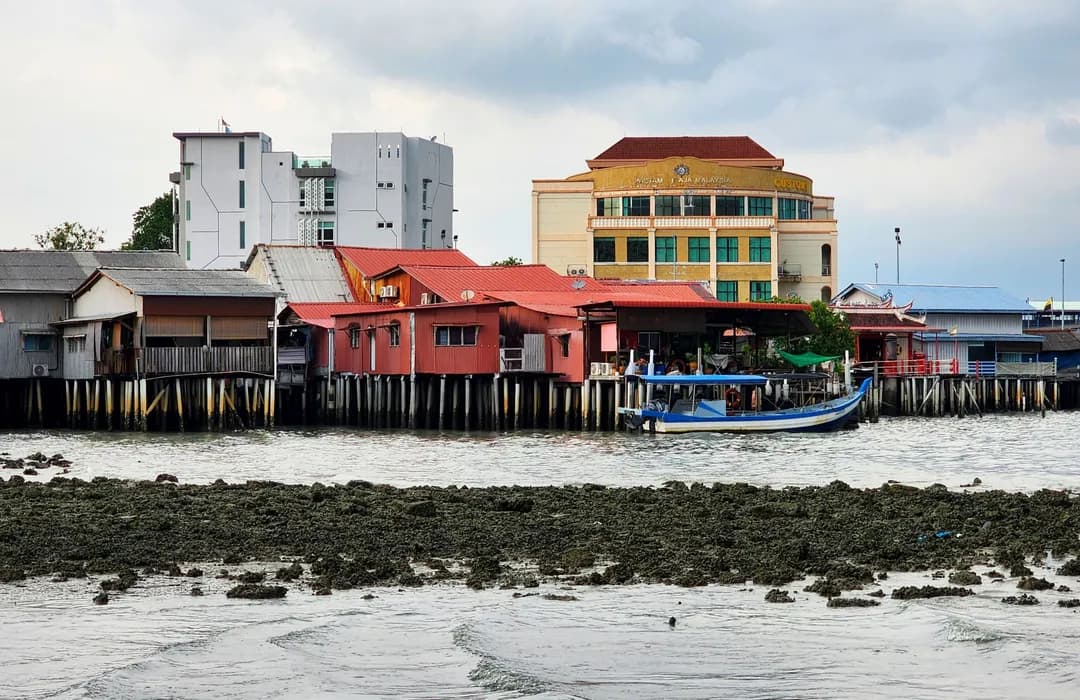
Chew Jetty is the largest and most visited of George Town's historic Clan Jetties — a series of waterfront stilt-house settlements built over the Penang Strait along Weld Quay. The Chew (Zhou) clan has lived here since the mid-19th century, when Chinese immigrant families from Fujian province settled on the waterfront, constructing wooden houses on stilts over the sea. The jetty is part of George Town's UNESCO World Heritage Site and remains a living community, not a museum.
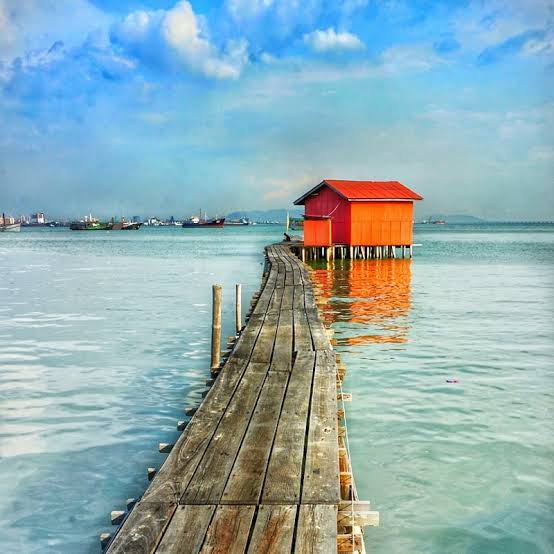
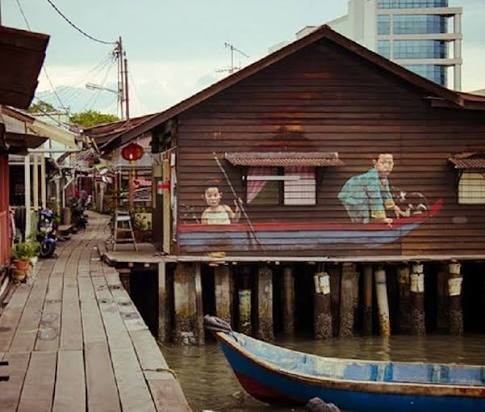
A single wooden walkway extends about 300 metres from the main road out over the water, lined on both sides by homes, a communal temple and a handful of shops and food stalls. It is one of the most photographed spots in Penang.
What to See
Walk the full length of the main jetty to reach the end, where an open platform looks out over the Penang Strait. Along the way, notice the Tua Pek Kong shrine at the far end and the mix of original wooden homes alongside renovated ones. Several houses have been converted into small shops selling souvenirs, postcards and local snacks. A few stalls serve ice kacang, fried snacks and drinks. The neighbouring clan jetties — Lee Jetty and Tan Jetty — are smaller and less touristy, worth a quick side visit.
Best Time to Go and Queue Tips
Late afternoon between 4:30 pm and 6:30 pm is the best window. The harsh midday sun makes the exposed walkway uncomfortable, and the light improves dramatically as the sun lowers. Sunset creates warm tones over the water and the stilt houses. Weekend afternoons are busier than weekdays but the jetty rarely feels uncomfortably crowded. Early morning before 9 am is quiet and good for photography, though the shops and stalls will not yet be open. A visit takes 30-60 minutes.
How to Get There
Chew Jetty is on Pengkalan Weld (Weld Quay) in southern George Town. From the Penang ferry terminal, walk south along the waterfront for about 5 minutes. By bus, Rapid Penang routes 101, 102 and 103 stop at Weld Quay. Limited metered street parking is available along the road. From Lebuh Chulia or the Armenian Street area, it is about a 10-minute walk south. A Grab from Komtar costs RM5-7.
Nearby
- Pinang Peranakan Mansion — 10-minute walk north on Church Street
- Penang Road Famous Laksa — 15-minute walk northwest to Lebuh Keng Kwee
Verdict: Who It's For
Chew Jetty is a quick, free stop that gives a glimpse into a vanishing way of life on the Penang waterfront. It works for photographers, cultural history enthusiasts and anyone walking the George Town heritage trail. The sunset visit is the highlight. Skip it if you have limited time and prefer indoor museums, or if you find highly touristed spots less appealing — though even then, the end of the jetty away from the entrance is usually calm.
Location
Photos

Visitor Reviews
-
★★★★★2 weeks ago
Walked the full length of the wooden boardwalk to the end platform looking out over the Penang Strait. The sunset from the tip of the jetty was superb — warm light over the stilt houses and you can see the Penang Bridge in the distance. The Tua Pek Kong shrine at the far end is worth the walk. Free entry which is a bonus.
-
★★★★☆1 month ago
Interesting glimpse into a vanishing way of life. The Chew clan has lived here since the 1800s and some original wooden houses are still standing alongside renovated ones. The souvenir shops along the walkway are a bit touristy but once you get past them towards the end it gets quieter. Grabbed an ice kacang from one of the stalls. About 30 minutes is enough.
-
★★★☆☆3 months ago
Came at midday and it was uncomfortably hot on the exposed wooden walkway. The water under the jetty was not very clean and there was a smell at low tide. If I went again I would come at 5 pm for the sunset instead. The stilt houses themselves are interesting from a heritage perspective and I am glad I saw them, but the midday timing was a mistake.
-
★★★★★6 months ago
Came back at night after the shops had closed and it was a completely different experience — quiet, atmospheric, and you could hear the water lapping under the wooden stilts. People still live here so be respectful and stay on the main walkway. Five minutes from the ferry terminal so very easy to fit into a George Town walk.
-
★★★★☆3 months ago
A quick free stop on the Weld Quay waterfront. We also popped into Lee Jetty and Tan Jetty next door which were smaller and much less crowded. The late afternoon light around 5 pm was perfect for photos of the stilt houses. You can see sampans moored along the jetty and the harbour stretching out. Plan 30 to 45 minutes.
Reviews sourced from Google Maps
Frequently Asked Questions
Is Chew Jetty free to visit?
Yes. Chew Jetty is free to enter and open 24 hours. The main wooden walkway can be accessed at any time, though shops and food stalls along the jetty typically operate from 9 am to 9 pm.
When is the best time to visit Chew Jetty?
Sunset is the best time to visit. The late afternoon light creates a warm atmosphere over the waterfront and stilt houses. Late afternoon around 4:30-6:30 pm also has good light for photography. Avoid midday when the wooden walkway is hot and exposed.
Are the Chew Jetty stilt houses still lived in?
Yes. Chew Jetty is a living settlement where members of the Chew clan still reside. Visitors should be respectful, stay on the main walkway and avoid entering private homes. The community has been here since the 19th century.